

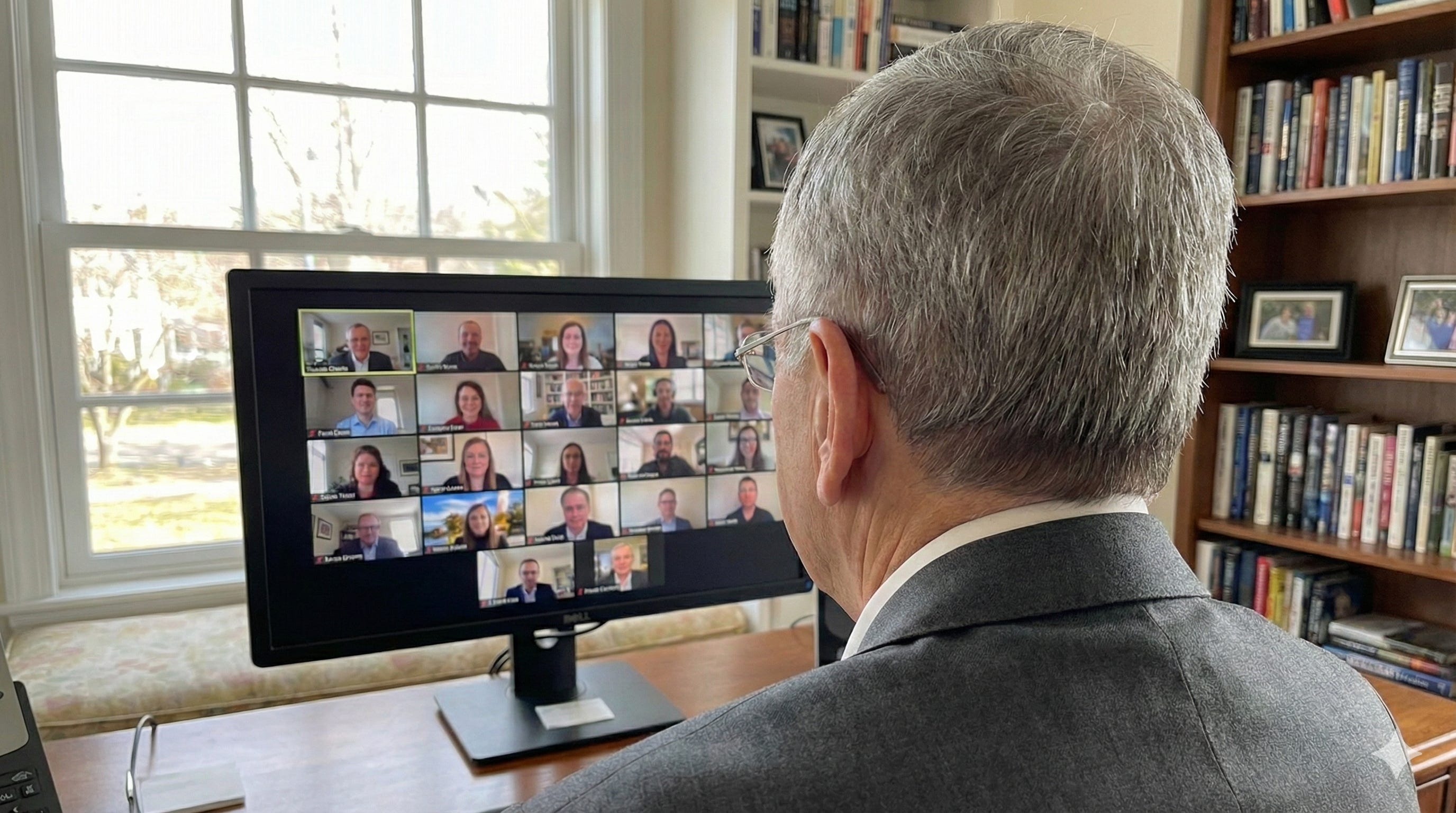
What follows are the rules I use to keep people engaged, on topic, and glad they showed up.
No one should talk for more than 90 seconds straight.
After a minute, people start looking for something else to do. Once someone goes past two minutes, attention drops, and participants mentally check out of the meeting.Stay on topic. And make it a tight topic.
The discussion must be well-defined and important to the audience. If it’s vague, you don’t get a meeting; you get a hangout.The facilitator sets the pace.
It’s your job to keep things moving. Keep it sharp. Keep it engaging. Nobody should feel comfortable checking out.Listen hard and summarize often.
A good facilitator turns one person’s comments into value for everyone. If you don’t do this, the conversation fragments.Know the audience.
Pace and language matter. People stick around when you understand how they think and what they care about.The best ideas come from the audience, not the facilitator.
You’re not the expert in the room. The people who showed up have the stories. Not everyone has something useful to add, though. Be polite, cut them off, and move on. Your audience is counting on you to do this.Side channels are for sharing, not steering the meeting.
The facilitator should stay focused on the conversation. Side comments are valuable for participants to exchange ideas, not to compete with the discussion.Polls are a distraction.
People can only focus on one thing at a time. Make them choose between clicking and listening, and you’ve already lost. I choose listening.Pull stories, not lessons.
People default to teaching. Your job is to get to the experience, the moment, the why. Stories hold attention. Advice doesn’t.Keep meetings under an hour.
If it fits in 30 or 45 minutes, use that time. Shorter is always better.Never worry about filling the time.
When the topic is tight, and people are engaged, time disappears. That’s a good sign.End on time. Every time.
Even if someone is mid-sentence. As the clock runs out, attention is already gone. And no one has ever complained about a meeting that ended early.
These rules will make meetings better.
They’ll make you a better facilitator.
Try just one on your next call. Your audience will feel it immediately. Trust me.
Charlie always has fascinating stories, lessons and interactions with others where something can be gleaned. This post is so practical. Thank you CP.